
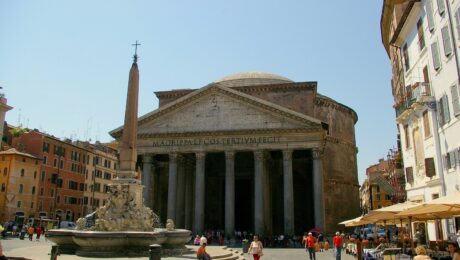
Serendipity and Ancient Rome
Tuesday, October 13 2026
The new historical novel Agrippa, by bestselling author Robert Harris, brings to life the engineering marvels of Classic Rome, many of which still stand today.
- Published in Books

Reading Charles Dickens at the End of My Endless Summer
Monday, October 05 2026
I write this as a personal letter to all of you who read my work. My work is exceedingly important to me — these weekly essays — and writing them is one of the principal joys of my life.
- Published in Dispatches from the Road

Americans in Paris: Clay’s Thomas Jefferson in France Tour
Tuesday, September 29 2026
This week, Clay has been leading his fourth Jefferson in France Cultural Tour. Thomas Jefferson served as an American minister to France in the late 1780’s and considered it some of the happiest times of his life.
- Published in Dispatches from the Road
Where Is Bernard DeVoto When We Need Him?
Tuesday, September 15 2026
Struck by the breathtaking speed of change in American life since World War II, Clay is writing a series of essays about what has transpired within a single humanities scholar’s lifetime. This week he writes about how our media channels shape our sense of history, current events, and national outlook.
- Published in Features

Reporting From Switzerland: a Euro-Bison Comeback. Who Knew?
Monday, September 07 2026
Iconic to the American West, I was surprised to learn of a British preservation program for European bison.
- Published in Dispatches from the Road
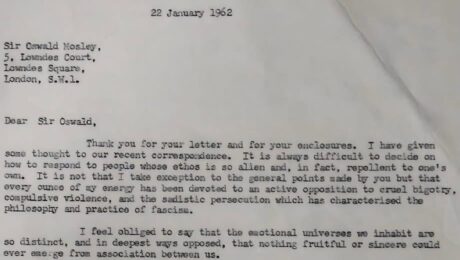
A Lament for the Snail-Mail Letter — A Great Technological Casualty?
Tuesday, August 25 2026
During my lifetime, I have witnessed the death of the letter. Future historians will have to sift through an infinite number of mostly inane cellphone texts, with little real revelation of the individuals and the periods they are studying.
- Published in Features
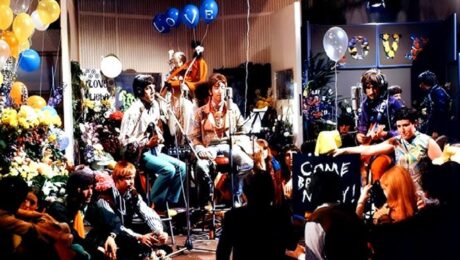
In My Life: The Beatles and Global Connectivity
Tuesday, August 18 2026
I tuned in, along with over 300 million others from around the globe, on that landmark day when popular music connected with the space age and changed the world forever.
- Published in Features
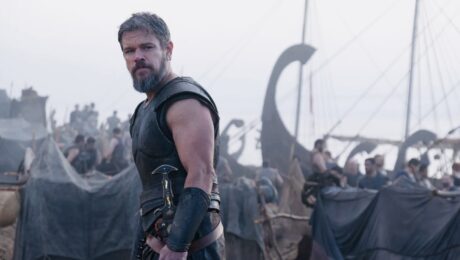
A Review of Christopher Nolan’s The Odyssey
Monday, July 27 2026
I rushed from Missoula, Montana, to Billings the other day to see Christopher Nolan’s Odyssey at a modified limited IMAX theater. This was the same theater where I first saw Nolan’s Oppenheimer three years ago. Quick take: I liked Oppenheimer better, but read on ...
- Published in Features

Happy 250th Birthday, America
Tuesday, June 30 2026
As much as the United States confronts monumental challenges, there is much to celebrate as the nation turns 250.
- Published in Features

Homer and Hubris in a Turkish Rental Car
Monday, May 18 2026
After a rental car odyssey, trekking 215-miles southwest of Istanbul, Clay spends a magical afternoon at the site of Homer’s epic, the Iliad.
- Published in Dispatches from the Road