
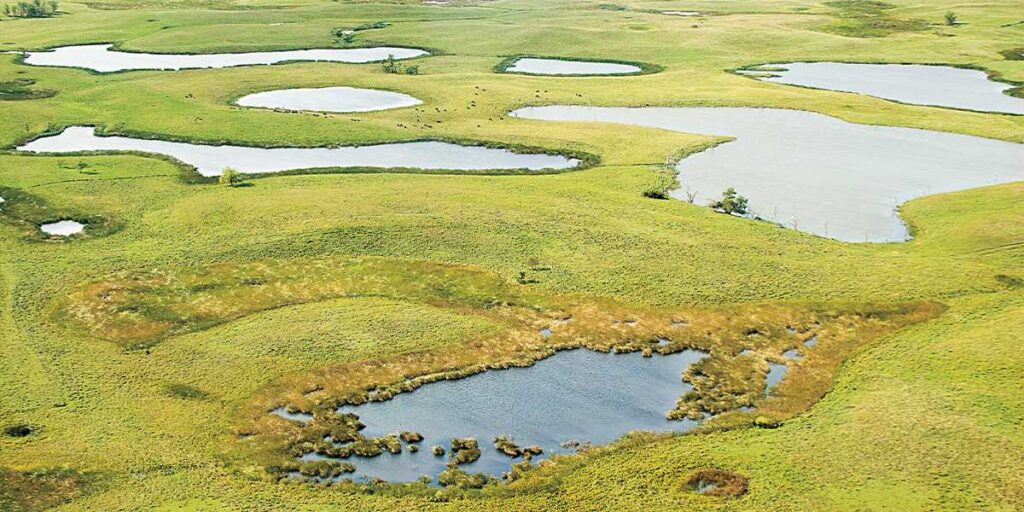
Prairie pothole wetlands are shallow, freshwater marshes scattered across the Great Plains of North America. Formed by retreating glaciers 10,000 years ago, this immense number of small, pocket-like water bodies fill with spring snowmelt and rain, creating a “duck factory” ecosystem.
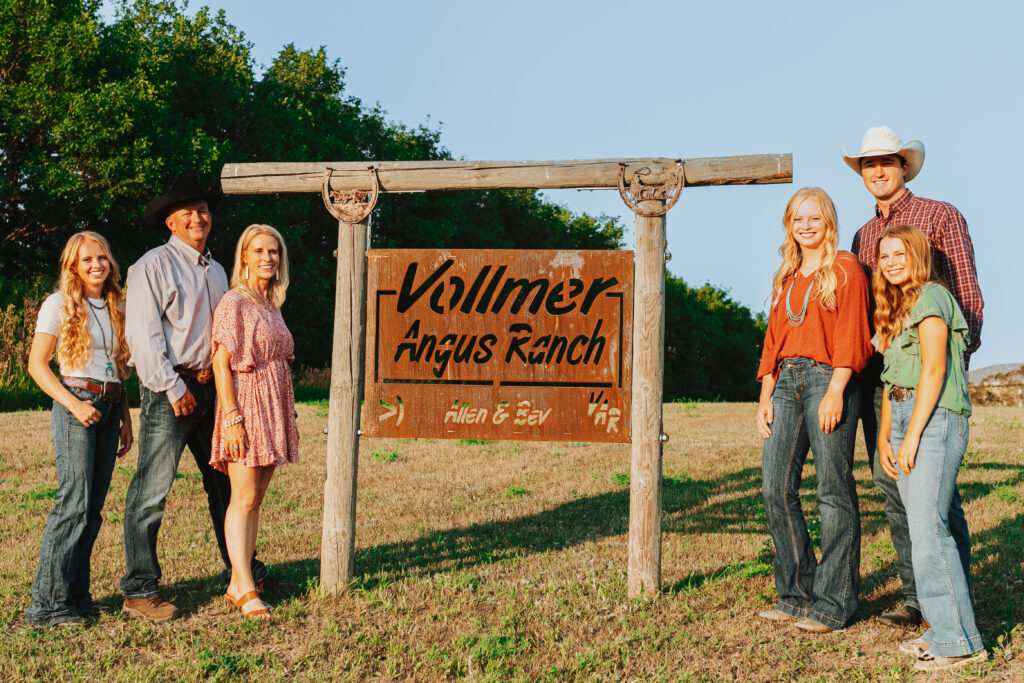
Editors Note: We’re pleased to share a guest essay by Troy and Sara Vollmer, who operate a Black Angus ranch northeast of Bismarck where conservation and sustainability are at the heart of their decisions. Troy and Sara have been friends with Clay for many years. Clay frequently cites Sara as his political barometer in American life. Troy is the third-generation steward of the family farm in northeastern Burleigh County, North Dakota and their ranch has earned a conservation award. They have three daughters, all rodeo competitors. Sara is also a dean at Bismarck State College and a member of the Listening to America board. An edited version of this essay was published in the Washington Post on August 7, 2026.
Not long ago, the Washington Post published an opinion piece called “Government easements are putting prairie potholes over farmers.” It argued that federal protections for Prairie Pothole wetlands have gone too far and are unfair to producers. As a family who have spent a lifetime working the land, we see things differently.
There’s a conversation happening right now about conservation easements in the Prairie Pothole Region, and a lot of folks are missing an important fact. These easements weren’t forced on landowners. They were voluntary agreements entered into by people who understood the value of protecting wetlands and grasslands, while keeping farms and ranches productive. For our family, those easements have been a blessing. They helped us strengthen our ranch so we can hopefully pass it on from one generation to the next. Because of the opportunities they provided, our children will have a chance to be the fourth generation on this place. That’s something every farm family hopes for.
For more than 60 years, the U.S. Fish and Wildlife Service has interpreted these easements to mean that protected wetlands can’t be drained. Administrations from both parties have supported that understanding because it’s consistent with the purpose of the agreements that landowners voluntarily signed.
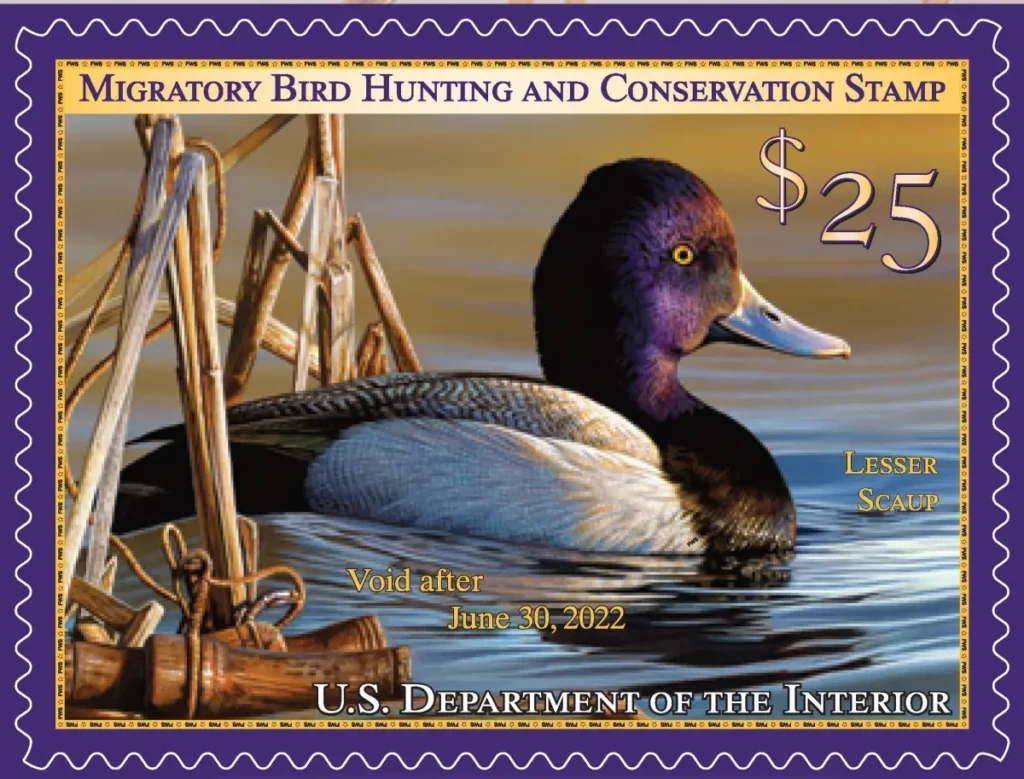
The public has skin in the game, too. Generations of hunters, anglers, and conservation-minded Americans have invested in these wetlands through Duck Stamp purchases, hunting licenses, and conservation funding. Hunting friends of mine and their dollars helped create one of the greatest conservation success stories this country has ever seen.
If protections for these easements are weakened, the consequences won’t stop at the fence line. Wetlands that were purchased and protected for conservation could be drained. Once they’re gone, they’re gone for good. That means fewer nesting areas for waterfowl, less wildlife habitat, and fewer opportunities for future generations to enjoy the outdoors. We’ve seen that with native grasslands that people in our business have depended on to pasture their cattle; when the grass goes, they’re gone, and so is the habitat. We’re keenly aware that we need more grass and water, not less, to rebuild the American cow herd and meet the demand for beef that the market is showing.
We’ve already seen warning signs of habitat loss. Duck populations are facing pressure from diminished habitat and drought across important breeding grounds. Conservation easements have helped keep enough habitat — water and grass — on the landscape to support healthy populations. Weakening those protections now would send us in the wrong direction.
Farmers and ranchers face enough uncertainty as it is. Markets change. Weather changes. Input costs rise. We don’t need additional uncertainty about agreements that families have relied on for decades, and when hundreds of families are still interested in and hoping for an easement offer. The current rule strikes a fair balance. It protects wetlands that Americans have already paid to conserve while giving landowners workable, science-based guidance. It’s common sense.
We want our children and grandchildren to experience the same things we did growing up: ducks rising from prairie wetlands at sunrise, cattle grazing a hillside at sunset, healthy working lands, and a way of life built on caring for what we’ve been given. Those are values shared by farmers, ranchers, hunters, and conservationists alike.
The U.S. Fish and Wildlife Service should maintain its longstanding approach and keep the current rule in place. Doing so honors the commitments made by landowners, respects the investments made by taxpayers and sportsmen, protects critical wildlife habitat, and ensures that future generations inherit a healthy prairie.
That’s not just good conservation. It’s good stewardship.