
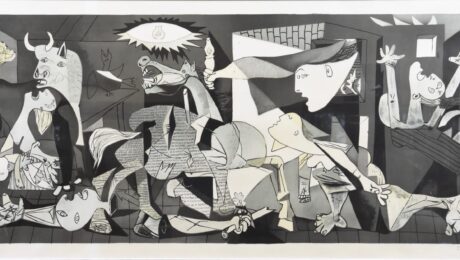
A Lament for the Innocent in Four Acts
Tuesday, March 24 2026
Why is it that the innocent are always the ones to suffer?
- Published in Features
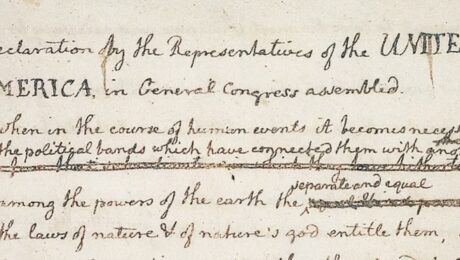
Thomas Jefferson at the Brink of Immortality
Monday, March 16 2026
As the country approaches its 250th birthday, Clay profiles the 33-year-old Thomas Jefferson, the youngest member of the Virginia delegation, as he made his way to the Second Continental Congress and his date with immortality.
- Published in Features

What Can You Say About Lewis and Clark in 30 Minutes?
Monday, March 09 2026
Oh my, it would be infinitely easier for me to give a three-hour lecture than one of just half an hour.
- Published in Dispatches from the Road
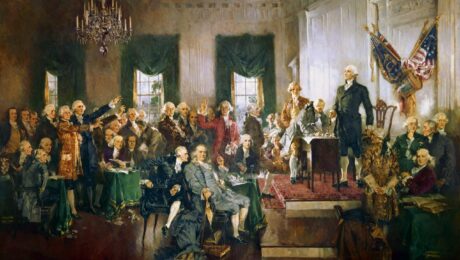
A Republic, if You Can Keep It: War and America in Iran
Tuesday, March 03 2026
When the Founding Fathers met in Philadelphia in the summer of 1787 to craft a new constitution, they worked strenuously to cage the “dogs of war” by way of constitutional restraints.
- Published in Features
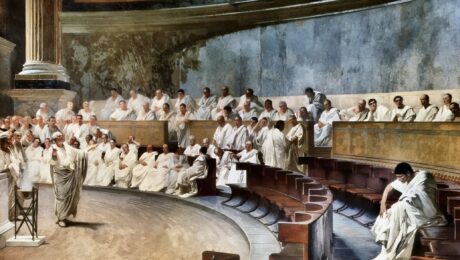
America at 250: Echoes of the Roman Republic?
Monday, February 23 2026
America’s Founding Fathers drew heavily on the last years of the Roman Republic in crafting our nation’s founding documents, foreseeing both the promise and the frailties of a Republic.
- Published in Features

A Struggle for the Public Commons: Buffalo, the Department of Interior & American Prairie Reserve
Tuesday, January 20 2026
Clay reflects on a recent announcement from the U.S. Department of the Interior to revoke bison grazing leases from American Prairie, an organization that has long been working to establish a buffalo wildlife reservation in Northern Montana.
- Published in Features
Thoughts for a New Constitutional Beginning
Tuesday, January 06 2026
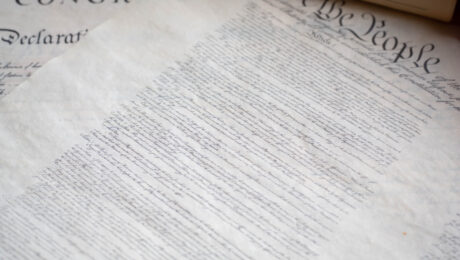
As the nation approaches its 250th birthday this July 2026, Clay suggests it might serve the country well to revisit details of our Constitution.
- Published in Uncategorized

My Year in Review
Tuesday, December 30 2025
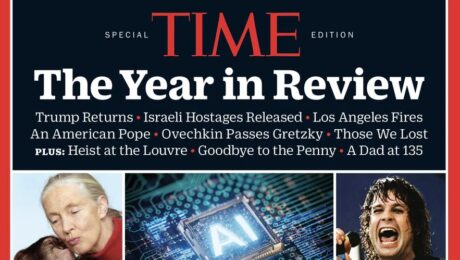
Last week, I reviewed the year 2025 by way of Time magazine’s Year in Review issue. Today I want to review my year as the traveling editor of Listening to America.
- Published in Features
A Review of 2025 at Year’s End
Tuesday, December 23 2025
Amid Christmas grocery shopping, Clay reflects on the year that was.
- Published in Features

America at 250: Our Stuck Constitution
Monday, December 22 2025
Clay has debated constitutional scholars and historical impersonators in and out of costume across the United States; addressed 27 state legislatures; Supreme Court summer conferences; and humanities conferences across America. After reading Jill Lepore’s new book, We the People, and following the third of four weekly online classroom sessions, he stepped back to write this week’s essay.
- Published in Features