
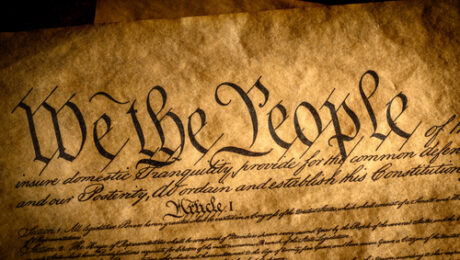
America at 250: Our Stuck Constitution
Monday, December 22 2025
Clay has debated constitutional scholars and historical impersonators in and out of costume across the United States; addressed 27 state legislatures; Supreme Court summer conferences; and humanities conferences across America. After reading Jill Lepore’s new book, We the People, and following the third of four weekly online classroom sessions, he stepped back to write this week’s essay.
- Published in Features
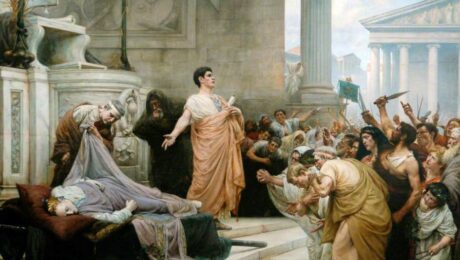
Are We Rome?
Tuesday, December 02 2025
Answer: we are Rome … but are we doomed to suffer the Republic's fate? Clay parallels the Republics (Rome's and our own) considering ways to avoid Rome's calamitous end.
- Published in Dispatches from the Road
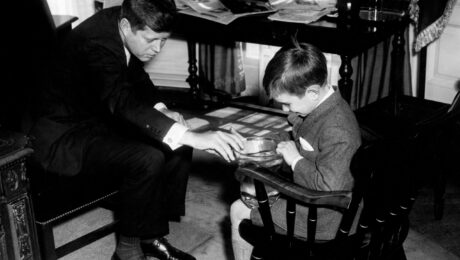
The End of Camelot at Last
Tuesday, November 25 2025
Clay contemplates the enduring JFK Camelot myth and our longing for a Kennedyesque savior to restore constitutional order, norms, and mutual respect in our current state of the republic.
- Published in Features
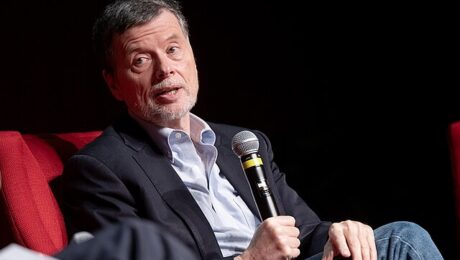
Jefferson and Slavery: Ken Burns on MS-NOW
Tuesday, November 25 2025
Clay considers Ken Burns' recent portrayal of Thomas Jefferson in a recent interview, where Burns suggests the Declaration's "all men are created equal" applied only to propertied white males, urging a more nuanced look at Jefferson's universal ideals, racial suspicions, and his own contradictions as a slaveholder.
- Published in Dispatches from the Road
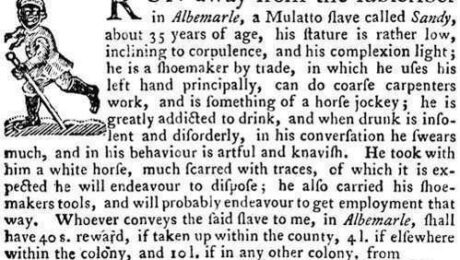
America at 250: The Racial Divide
Monday, November 17 2025
Last week, I spoke at a symposium on race and the American Revolution. This essay is the result of my deliberations for that event and is one in a series of essays I’m writing reflecting on a range of issues as America approaches its 250th birthday.
- Published in Features

For Whom the Bell Tolls
Monday, November 17 2025
Seeing flags at half-mast last week brought to mind the immortal passage from the great poet and scholar John Donne.
- Published in Dispatches from the Road
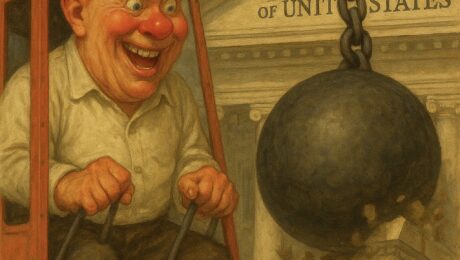
The Wrecking Ball Presidency
Tuesday, November 04 2025
The demolition of the East Wing of the White House is a clear metaphor for our “CEO” president.
- Published in Features

Steinbeck: A Life of Moral Courage
Monday, October 13 2025
While he avoided the public spotlight, John Steinbeck spent a life "in the arena" exhibiting great moral courage both in his writing and deeds.
- Published in Features
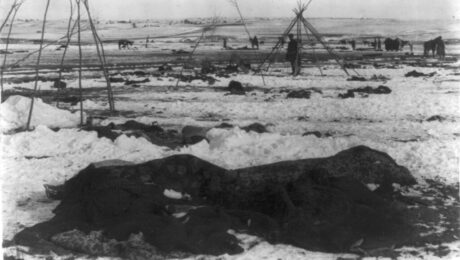
Reopening the Wounds of Wounded Knee
Monday, October 06 2025
Wounded Knee, really?
- Published in Features
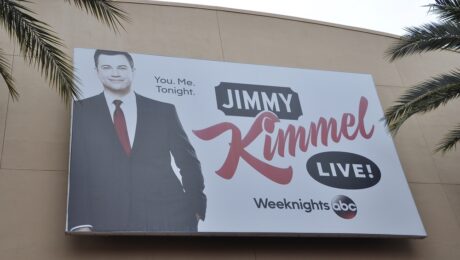
Humor on Trial in an Age of Disruption
Monday, September 22 2025
Free speech and the future in context.
- Published in Features