
FEATURES
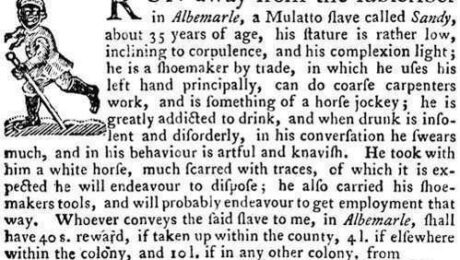
America at 250: The Racial Divide
Monday, November 17 2025
Last week, I spoke at a symposium on race and the American Revolution. This essay is the result of my deliberations for that event and is one in a series of essays I’m writing reflecting on a range of issues as America approaches its 250th birthday.
- Published in Features
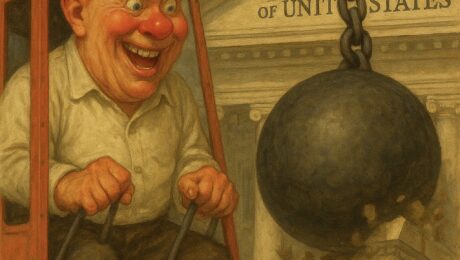
The Wrecking Ball Presidency
Tuesday, November 04 2025
The demolition of the East Wing of the White House is a clear metaphor for our “CEO” president.
- Published in Features
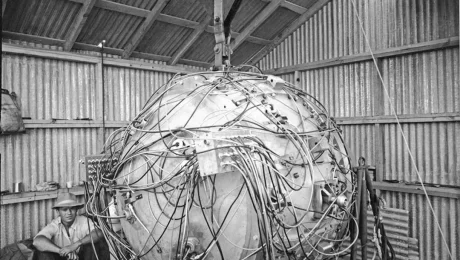
The World of Error in a Galaxy of Facts
Tuesday, October 28 2025
Clay ponders the “Truth Taser.” The best invention since the Veg-O-Matic?
- Published in Features
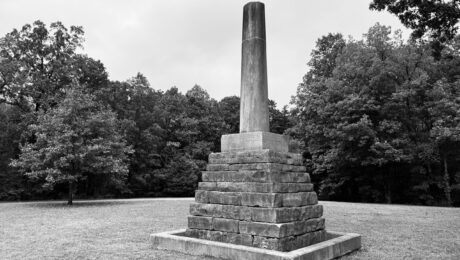
Visiting Meriwether Lewis’ Grave on the Natchez — The End of the Trail
Monday, October 20 2025
Completing a year following the Lewis and Clark Trail, Clay visits the lonely gravesite where the 35-year-old Meriwether Lewis is buried.
- Published in Features

Steinbeck: A Life of Moral Courage
Monday, October 13 2025
While he avoided the public spotlight, John Steinbeck spent a life "in the arena" exhibiting great moral courage both in his writing and deeds.
- Published in Features
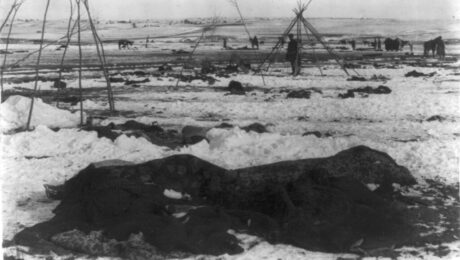
Reopening the Wounds of Wounded Knee
Monday, October 06 2025
Wounded Knee, really?
- Published in Features

The Stubborn Enigmas of Lewis and Clark
Monday, September 29 2025
After decades of close study and a year following their trail, Clay remains dogged by the many unknowables surrounding the famous American expedition.
- Published in Features

Humor on Trial in an Age of Disruption
Monday, September 22 2025
Free speech and the future in context.
- Published in Features
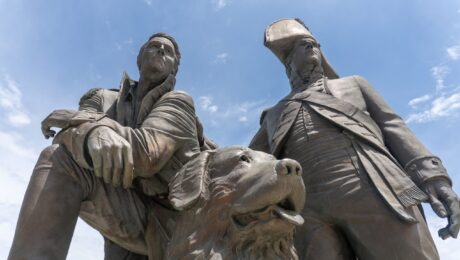
A Lewis and Clark Report Card: The Phases of a Journey
Tuesday, September 16 2025
How did the Lewis and Clark Expedition stack up against the model for the classic journey? Clay makes his assessment.
- Published in Features
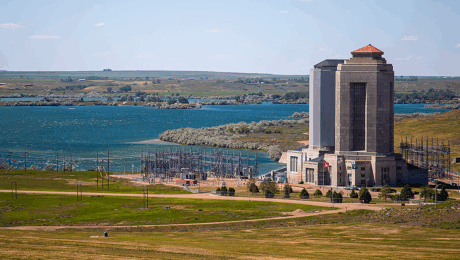
Drowning the Missouri River — Lewis and Clark on the Reservoirs!
Monday, September 01 2025
The Missouri was a wild, free-flowing river when Lewis and Clark began their epic western journey in 1804. Today, much of that river is a series of reservoirs.
- Published in Features